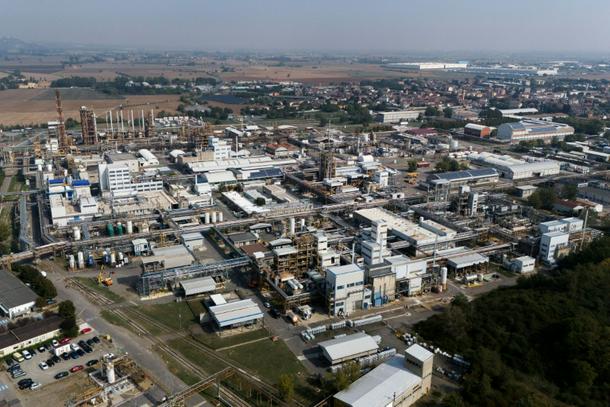
Two former directors of the plant are to stand trial
Spinetta Marengo (Italy) (AFP) - Egio Spineto filters his water and avoids eating locally grown produce in case it is contaminated, but the chemicals from a factory near his home in northern Italy are in the very air he breathes.
After years of protests by local campaigners, two former directors of the plant in the Piedmont region in northern Italy are to stand trial next month for involuntary environmental disaster.
The area near Alessandria, in the industrial triangle between Milan, Genoa and Turin, is “deeply affected by a social and health crisis caused by the plant”, local activist Spineto told AFP.
Residents near the Syensqo site in Spinetta Marengo have significant levels in their blood of “forever chemicals”, or PFAS, which have been found in both the air and local aquifers.
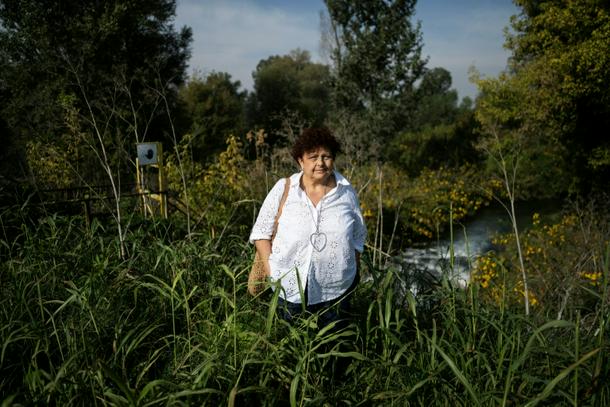
Residents near the Syensqo site have significant levels of 'forever chemicals' in their blood
Locals suffer a much higher-than-average level of kidney, liver and bladder cancers, according to a 2019 study by the Piedmont region’s environmental protection agency (ARPA).
While blood tests have so far been limited to people living in the immediate vicinity, “at least 90,000 people” in the surrounding areas could be affected, said Spineto, who teaches at a local school.
Syensqo, a 2023 spin-off from Belgian chemical giant Solvay, which bought the site in 2002, points to historical pollution at the plant, which was founded in 1905.
But ARPA has detected the PFAS class of chemicals that Syensqo produces in the ground water and air.
- ‘In my blood’ -
PFAS are human-made chemicals that repel heat, water and oil, and earned the nickname “forever chemicals” because they can take millions of years to break down in the environment.
They are increasingly being restricted across the world because of adverse health effects.
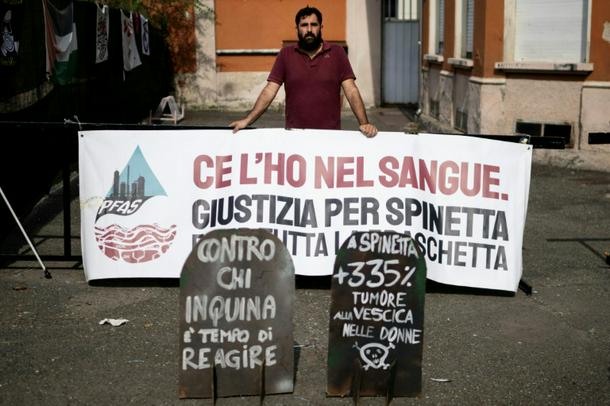
Campaigners warn not enough research into cC604 has been done to determine its effects on health
Chronic exposure to even low levels has been linked to liver damage, high cholesterol, reduced immune responses, low birth weights and several kinds of cancer.
Nicoletta Mensi, a member of the “Ce l’ho nel sangue” (“It’s in my blood”) association, said campaigners were fighting for clean air and water “for our children, our grandchildren”.
“We are also defending the district’s future, because many people are moving away, house prices have dropped,” the 68-year-old said.
Former directors Stefano Bigini, 66, and Andrea Diotto, 51, risk up to five years in jail at the trial, which opens on November 16.
Defence lawyer Riccardo Lucev told AFP his clients made “every effort to prevent any contamination, but they also achieved significant results in remediating the site’s pre-existing, historical pollution”.
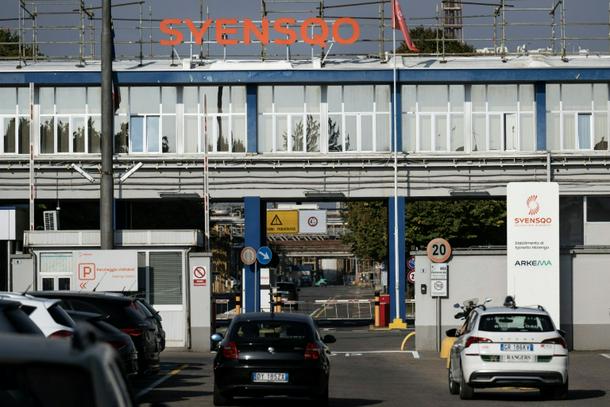
The company employees hundreds of people at the Spinetta Marengo plant
Syensqo told AFP it had invested more than 300 million euros ($335 million) in “health, safety, modernisation and environmental protection initiatives” at the site, including water treatment technologies and emission reduction programmes.
It also switched in 2012 from using PFOA, an older PFAS chemical and a known carcinogen, to cC6O4, which it says is not toxic or carcinogenic.
But campaigners say some scientific research warns of potential adverse effects, and argue more research should be done.
There has not yet been an official study into whether cC604 is causing health issues locally, Mensi said.
- ‘Trade secrecy’ -
The trial was sparked by a 2020 request by conservation group WWF for prosecutors to ascertain whether the contamination was historic or ongoing, WWF lawyer Vittorio Spallasso told AFP.
The claimants at the trial include Italy’s environment ministry, the Piedmont region, environmental agency Legambiente, conservation group WWF and 14 individuals.
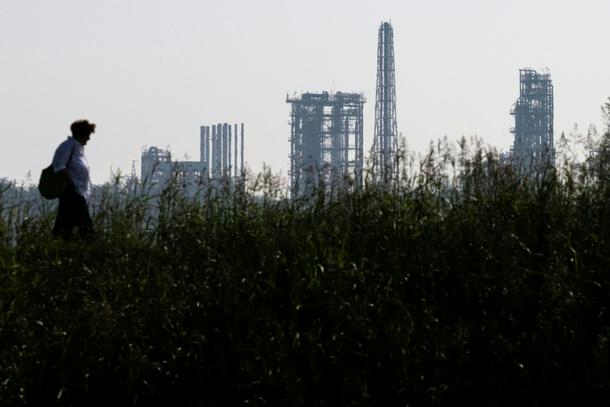
Syensqo has said it will largely stop using cC604 at the Spinetta Marengo plant by the end of 2026
The local community is divided over the case, because the company employs hundreds of people and pays well, said Mensi.
Nonetheless, she hoped the trial would force the factory “to stop producing PFAS altogether”.
Syensqo says it uses cC604 – a fluorosurfactant – to manufacture fluoropolymers, which are commonly used in devices from medical instruments to electric car batteries.
As part of a 2021 commitment to phase out the use of fluorosurfactants globally, it has said it will largely stop using cC604 at the Spinetta Marengo plant by the end of this year.
Activist Spineto accused the company of “hiding behind trade secrecy”.
“They will likely replace cC6O4 with another compound for which we currently lack the chemical profile, which we won’t be able to test for in the environment,” he said.
“Not a single polluting molecule should leave that plant,” Spineto said.