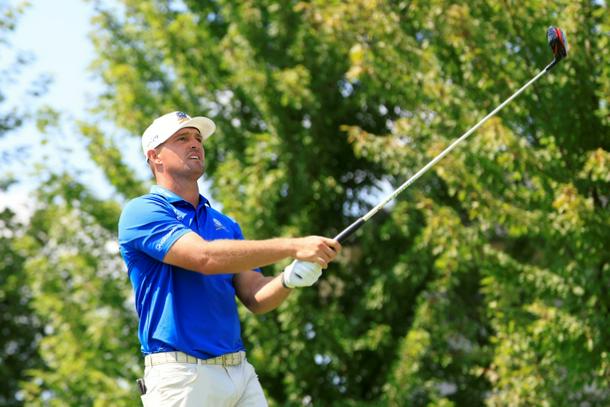
LIV talisman Bryson DeChambeau's future is seen as critical to the survival of the series
Los Angeles (United States) (AFP) - LIV Golf, the breakaway tour that spent billions of dollars luring top players away from the PGA and triggered bitter divisions within the sport, filed Tuesday for bankruptcy protection.
The filing at a New Jersey court indicates LIV, which abruptly lost its deep-pocketed Saudi investors earlier this year, intends to restructure and return in a new form.
But documents show LIV owes between $500 million and $1 billion in estimated liabilities to at least 1,000 creditors, including star players like Bryson DeChambeau and Jon Rahm.
And the future of those popular players remains deeply unclear. The likes of DeChambeau are now faced with deciding whether to remain with the tour in its new guise, or leave and attempt to pursue the millions of dollars they are owed in court.
“This process gives us the structure and time to pursue a landmark transaction and begin the next chapter of LIV Golf,” said CEO Scott O’Neil, in a statement.
LIV still intends to return next year in a new form including “an innovative, player-first ownership model,” he said.
“No definitive decisions regarding the 2027 schedule or individual events are being announced at this time,” the LIV statement added.
The bankruptcy filing was widely expected, after LIV axed the majority of its staff earlier this month, and scrapped its season-ending team championship in August after losing the backing of Saudi Arabia’s Public Investment Fund (PIF).
Since LIV’s launch in 2022, the Middle Eastern fund had poured an estimated $5 billion into the tour, before abruptly pulling the plug.
The PIF will now provide a loan worth nearly $50 million for the bankruptcy and reorganization process, the LIV statement showed.
LIV’s star players Rahm, DeChambeau and Dustin Johnson hold the largest unsecured claims against the tour, totaling more than $5 million each in immediate past-due payments, per the bankruptcy filing.
But even those amounts do not reflect the future remaining contract values of some golfers, that can range into tens of millions of dollars each, the Financial Times reported, citing a person familiar with the matter.
Tuesday’s statement said “the Company remains in advanced discussions with” players, including on “creating an ownership structure aligning players’ interests with the League’s long-term success.”
“Players will have the opportunity to share directly in the value they help create,” said O’Neil, in an open letter to fans.
LIV did not immediately respond to AFP request for comment on the matter.
- ‘LIV 2.0’ -
Tour officials have previously pledged that a “2.0” version of the tour will re-emerge under new investors next season, with a shorter schedule and reduced prize money.
Further details emerged for the proposals on Tuesday.
LIV intends to host tournaments across five continents, in locations including Australia, South Africa, Mexico, England, Hong Kong and the US.
“We intend to expand our fields to 75 players, introduce a cut, and create additional pathways for players to earn their way into LIV Golf, including Monday qualifiers,” it said.
The emphasis would remain on courting young fans, with live music, and team competitions which will “embrace national identities, building on the passion and momentum of World Cup-style competition.”
But much will depend on whether top stars including DeChambeau and Rahm remain.
Widespread reports have linked several LIV stars with potential returns to the PGA Tour and other series, though the PGA said it currently has no plans to offer LIV players a pathway back.
Five-time major winner Brooks Koepka – who did return to the PGA this year – is still listed as a creditor owed $1.7 million on the LIV bankruptcy filing.
Tuesday’s filing confirmed LIV has partnered for the restructuring effort with British investment group BC Partners – long rumored to be the tour’s mystery new “lead investor.”
LIV Golf is also seeking recognition of the US bankruptcy filing in England and Wales to cover its global assets, which total $100-$500 million.